Tender Korean Beef Stew Galbi Jjim Recipe Easy Rich Savory Sauce Recipe
Introduction
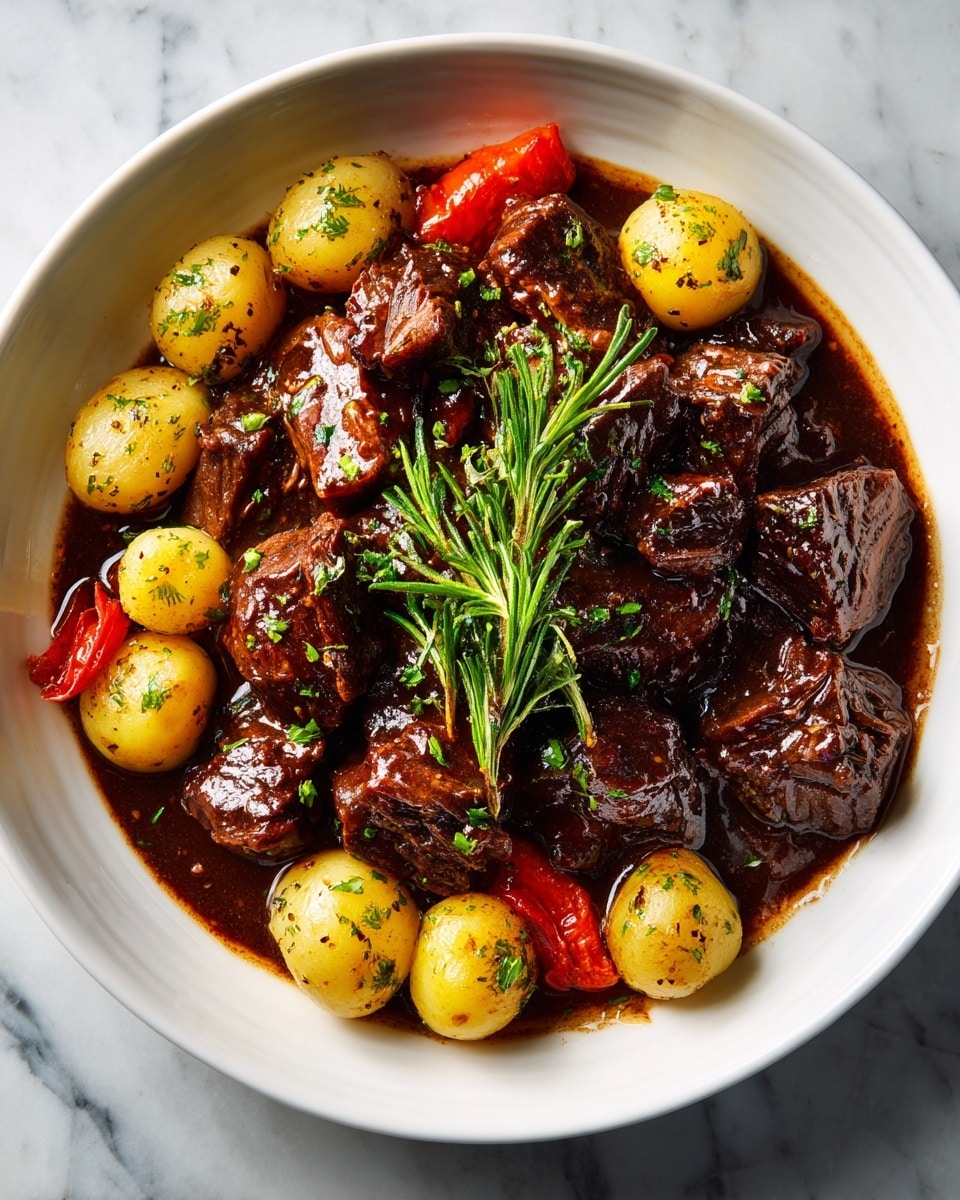
Galbi Jjim is a classic Korean beef stew known for its rich, savory sauce and incredibly tender short ribs. This comforting dish is perfect for special occasions or a cozy family dinner, offering a deep, satisfying flavor with a hint of sweetness from Asian pear and brown sugar.
Ingredients
- 3 pounds beef short ribs, cut into 2-inch pieces
- ½ cup soy sauce (Kikkoman or naturally brewed)
- 6 cloves garlic, minced
- 1 tablespoon fresh ginger, grated
- ½ medium Asian pear, grated (optional but recommended)
- 2 tablespoons brown sugar
- 1 tablespoon sesame oil
- ¼ cup rice wine or mirin
- 2 medium carrots, peeled and cut into chunks
- ½ cup chestnuts, peeled and roasted (optional)
- 3 stalks green onions, sliced for garnish
- Freshly ground black pepper, to taste
- 2 cups water or beef broth
Instructions
- Step 1: Rinse the beef short ribs under cold water and pat dry with paper towels.
- Step 2: In a large bowl, combine soy sauce, grated Asian pear, minced garlic, grated ginger, brown sugar, rice wine or mirin, and sesame oil. Whisk until sugar dissolves and ingredients are well blended.
- Step 3: Add the ribs to the marinade, turning to coat each piece thoroughly. Cover and refrigerate for at least 1 hour or overnight for deeper flavor and tenderness.
- Step 4: Heat a large heavy-bottomed pot or Dutch oven over medium-high heat. Remove ribs from marinade (reserve marinade) and brown them in batches, about 2-3 minutes per side, until caramelized.
- Step 5: Remove browned ribs and set aside. In the same pot, add carrot chunks and chestnuts, sautéing briefly to pick up the pan flavors.
- Step 6: Return ribs to the pot. Pour in reserved marinade and 2 cups water or beef broth. Bring to a boil, then reduce heat to low. Cover and simmer gently for 1 hour 15 minutes.
- Step 7: After simmering, check that the beef is tender and nearly falling off the bone. Taste the sauce and add freshly ground black pepper or a touch more sugar or soy if needed.
- Step 8: If the sauce is too thin, remove the lid and simmer uncovered for 10 more minutes to reduce and thicken.
- Step 9: Sprinkle sliced green onions over the stew before serving.
Tips & Variations
- For extra depth of flavor, marinate the ribs overnight in the refrigerator.
- If Asian pear is unavailable, a grated apple or a small amount of apple juice can be a substitute.
- Add shiitake mushrooms or Korean radish for additional texture and taste.
- Use beef broth instead of water for a richer sauce.
Storage
Store leftover galbi jjim in an airtight container in the refrigerator for up to 3 days. Reheat gently on the stove over low heat, adding a splash of water or broth if the sauce has thickened too much. This stew can also be frozen for up to 2 months; thaw overnight in the fridge before reheating.
How to Serve
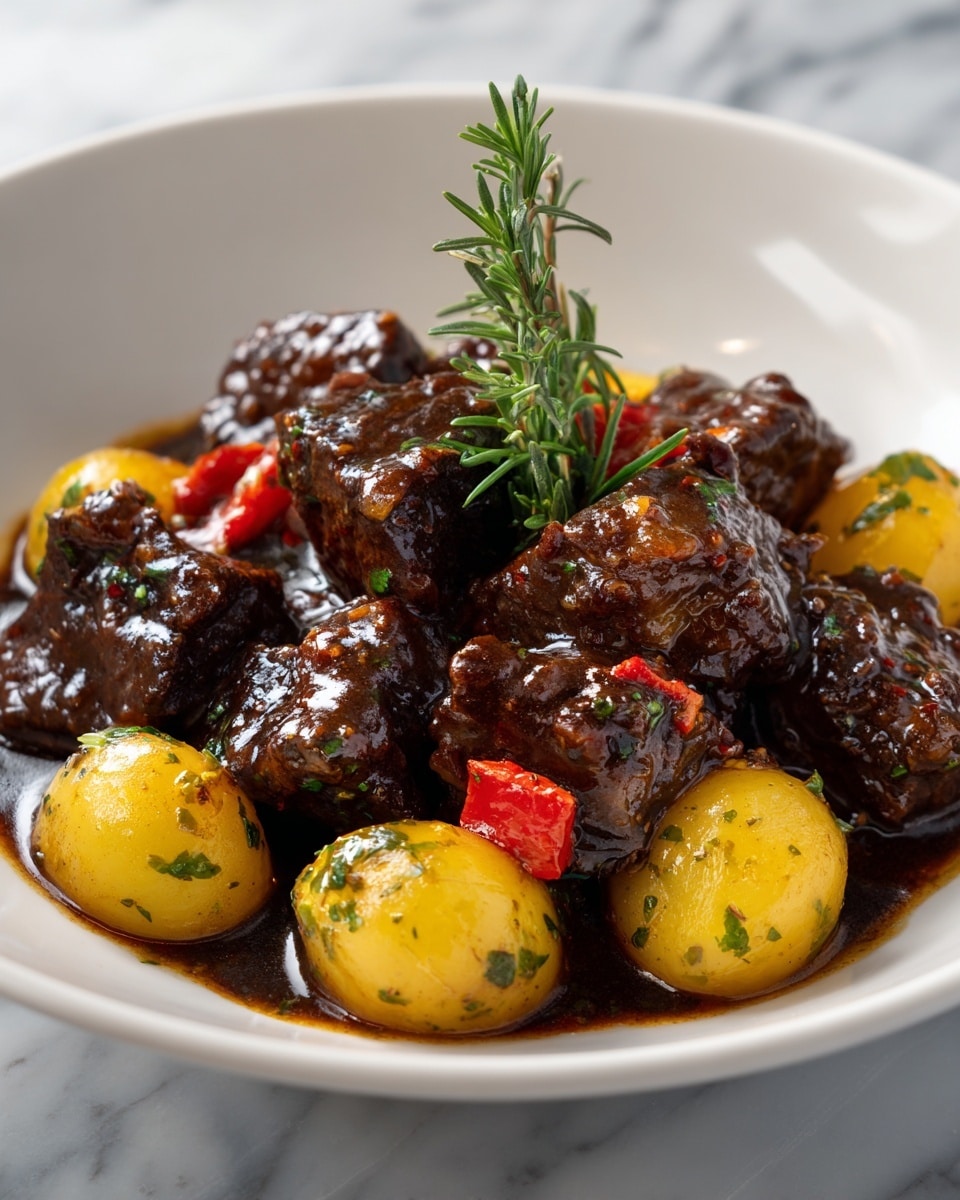
Serve this delicious recipe with your favorite sides.
FAQs
Can I use other cuts of beef instead of short ribs?
While short ribs are ideal for their marbling and tenderness, you can substitute with beef chuck or brisket. Just note that cooking times may vary slightly to ensure tenderness.
Do I have to use Asian pear in the marinade?
Asian pear helps tenderize the meat and adds subtle sweetness, but if unavailable, you can use grated apple or a small amount of fruit juice as a substitute.
Print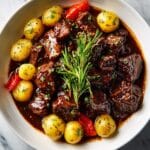
Tender Korean Beef Stew Galbi Jjim Recipe Easy Rich Savory Sauce Recipe
- Total Time: 1 hour 50 minutes
- Yield: 6 servings 1x
Description
This Tender Korean Beef Stew, known as Galbi Jjim, is a rich and savory dish featuring melt-in-your-mouth beef short ribs slow-simmered in a flavorful sauce made with soy, garlic, ginger, Asian pear, and a touch of sweetness from brown sugar and chestnuts. Perfect for a hearty family meal, this stew boasts deep umami flavors and tender meat, garnished with fresh green onions for a vibrant finish.
Ingredients
Beef and Marinade
- 3 pounds beef short ribs, cut into 2-inch pieces
- ½ cup soy sauce (Kikkoman or naturally brewed)
- 6 cloves garlic, minced
- 1 tablespoon fresh ginger, grated
- ½ medium Asian pear, grated (optional but recommended)
- 2 tablespoons brown sugar
- 1 tablespoon sesame oil
- ¼ cup rice wine or mirin
Vegetables and Garnish
- 2 medium carrots, peeled and cut into chunks
- ½ cup chestnuts, peeled and roasted (optional)
- 3 stalks green onions, sliced for garnish
- Freshly ground black pepper, to taste
Liquids
- 2 cups water or beef broth
Instructions
- Prepare the beef: Rinse the beef short ribs under cold water and pat dry thoroughly with paper towels to remove excess blood and impurities, which helps ensure a cleaner broth and better flavor.
- Make the marinade: In a large bowl, whisk together soy sauce, grated Asian pear, minced garlic, grated ginger, brown sugar, rice wine or mirin, and sesame oil until the sugar dissolves and the mixture is well blended, forming a rich marinade base.
- Marinate the ribs: Add the ribs to the marinade, turning each piece to coat thoroughly. Cover the bowl and refrigerate for at least one hour, or preferably overnight, to allow the flavors to deeply infuse the meat and enhance tenderness.
- Brown the ribs: Heat a large heavy-bottomed pot or Dutch oven over medium-high heat. Remove ribs from the marinade (reserve the marinade) and, in batches, brown them for 2-3 minutes per side until nicely caramelized, which adds depth and texture to the stew.
- Sauté vegetables: Remove the browned ribs and set aside. In the same pot, add carrot chunks and roasted chestnuts, sautéing briefly to pick up the flavorful browned bits left from browning the meat.
- Simmer the stew: Return the ribs to the pot and pour in the reserved marinade along with 2 cups of water or beef broth. Bring to a boil, then reduce the heat to low, cover the pot, and let it simmer gently for 1 hour and 15 minutes, allowing the beef to become tender and the flavors to meld.
- Check tenderness and season: After simmering, check that the beef is tender and practically falling off the bone. Taste the sauce and adjust seasoning with freshly ground black pepper, or add a bit more sugar or soy sauce if needed for balance.
- Reduce sauce (optional): If the sauce is thinner than desired, remove the lid and simmer uncovered for an additional 10 minutes, thickening the sauce and intensifying its flavor.
- Garnish and serve: Just before serving, sprinkle sliced green onions over the stew to add freshness and a pop of color, enhancing both aroma and visual appeal.
Notes
- Marinating the ribs overnight will significantly improve tenderness and depth of flavor.
- If Asian pear is unavailable, you can substitute with a small apple or omit it, but it adds a subtle sweetness and helps tenderize the meat.
- Use beef broth instead of water for a richer stew base.
- Chestnuts are optional but provide a delightful texture and natural sweetness; canned or frozen peeled chestnuts can be used if fresh are not available.
- Serve with steamed rice or Korean side dishes for a complete meal.
- Prep Time: 20 minutes
- Cook Time: 1 hour 30 minutes
- Category: Stew
- Method: Stovetop
- Cuisine: Korean
Keywords: Korean beef stew, Galbi Jjim, tender short ribs, savory stew, Korean comfort food