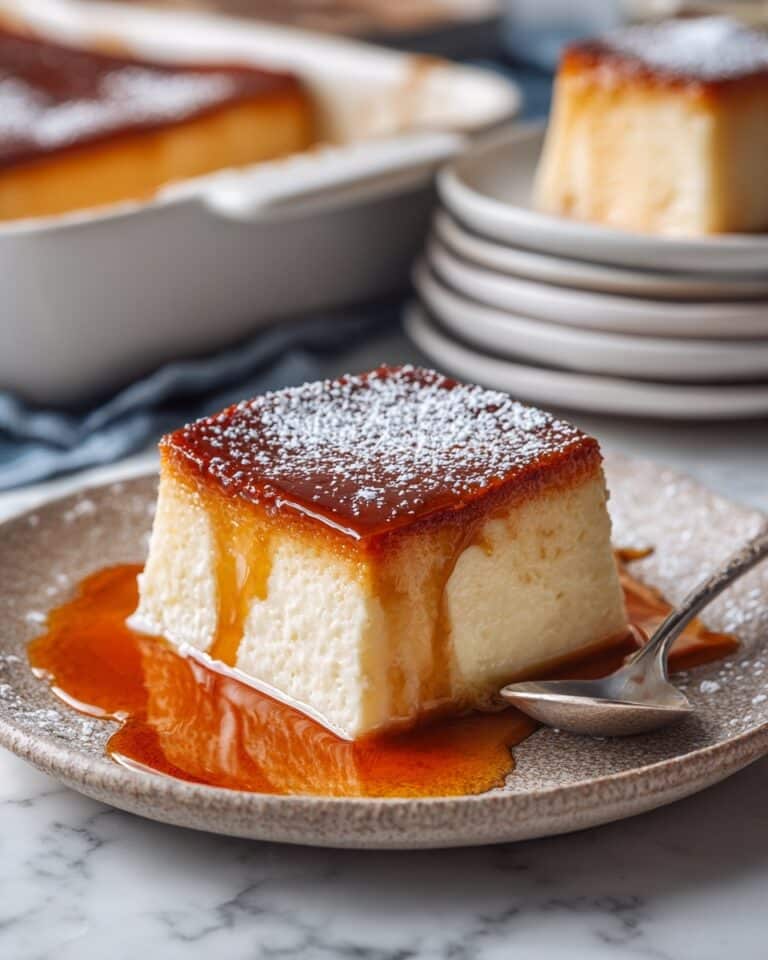
Simplified Sourdough Croissants Recipe
Introduction
These simplified sourdough croissants offer a delicious balance of flaky layers and tangy flavor, made easier with a streamlined technique. Perfect for home bakers looking to enjoy classic croissants with the depth of sourdough.

Ingredients
- 470 grams all-purpose flour
- 1 teaspoon salt
- 40 grams sugar
- 230 grams water
- 150 grams sourdough starter (active)
- 50 grams butter (unsalted)
- 250 grams butter (unsalted, for laminating)
- 1 egg
- 1 tablespoon water
Instructions
- Step 1: Combine all dough ingredients in a stand mixer. Mix on low, then medium speed for 10–15 minutes until the dough is smooth and slightly sticky.
- Step 2: Transfer to a bowl, cover, and ferment at room temperature for 4–6 hours, or until noticeably puffy. During the first 2 hours, perform 2–3 sets of stretch and folds to develop structure. The dough should pass the windowpane test. Refrigerate overnight after bulk fermentation.
- Step 3: Cut the 250 grams of butter into pieces and arrange on parchment paper in a 15x20cm (6×8 inch) rectangle. Fold the parchment over the butter to form a sealed rectangle, then gently flatten evenly with a rolling pin. Chill until firm.
- Step 4: Roll the dough into a 40x20cm (16×8 inch) rectangle. Place the butter packet in the center, fold the dough from both sides over to enclose butter, and pinch seams shut.
- Step 5: Turn dough 90°, roll to 25x50cm (10×20 inches), then fold into thirds like a letter. Wrap in plastic and chill for 30 minutes. Repeat this fold and chill process two more times for a total of three laminations.
- Step 6: Roll dough into a 28x50cm (11×20 inch) rectangle. Mark every 10cm along the long side and cut into 5 strips. Cut each strip diagonally to form 10 triangles. Gently stretch the base of each triangle, roll from base to tip, and curve the ends slightly.
- Step 7: Place croissants on a parchment-lined tray. Cover and proof at room temperature for 4–6 hours until puffy and jiggly.
- Step 8: Preheat oven to 205°C (400°F). Whisk the egg with water and gently brush the tops of croissants. Bake for 20–25 minutes until deeply golden.
- Step 9: Allow croissants to cool slightly before slicing to admire the layers. Serve fresh for best flavor and texture.
Tips & Variations
- Ensure your sourdough starter is active and bubbly for the best rise and flavor.
- Use cold butter and chill the dough thoroughly between folds to create crisp, flaky layers.
- For a richer flavor, substitute some of the water with milk or add a teaspoon of vanilla extract to the dough.
- Try filling your croissants with chocolate or almond paste before rolling for delicious variations.
Storage
Store cooled croissants in an airtight container at room temperature for up to 2 days. For longer storage, freeze in a sealed bag for up to 1 month. Reheat in a 180°C (350°F) oven for 5–7 minutes to restore crispness.
How to Serve

Serve this delicious recipe with your favorite sides.
FAQs
Can I use all butter instead of part butter and part sourdough starter?
This recipe relies on the sourdough starter for flavor and leavening, so omitting it would change the texture and taste. For classic croissants without sourdough, you can follow traditional yeast-based recipes instead.
How do I know when the croissants are properly proofed?
Properly proofed croissants should be noticeably puffed up and have a slight jiggle when you gently shake the tray. Over-proofing can cause collapse, so keep an eye on their size and texture.
Print
Simplified Sourdough Croissants Recipe
- Total Time: 25 hours 20 minutes
- Yield: 10 croissants 1x
Description
These Simplified Sourdough Croissants bring the classic flaky, buttery laminated dough to life with the natural tang and depth of sourdough starter. Featuring an easy-to-follow process for mixing, fermenting, laminating, and proofing, this recipe offers a rewarding homemade croissant experience requiring care and time for ultimate layers and crispness. Perfect for breakfast or a decadent snack, these croissants deliver golden, tender, and airy pastries that showcase sourdough’s unique flavor profile.
Ingredients
Dough Ingredients
- 470 grams all-purpose flour
- 1 teaspoon salt
- 40 grams sugar
- 230 grams water
- 150 grams sourdough starter (active)
- 50 grams unsalted butter
Lamination Butter
- 250 grams unsalted butter
Egg Wash
- 1 egg
- 1 tablespoon water
Instructions
- Mix the dough: Combine all dough ingredients in a stand mixer. Mix first on low speed, then increase to medium speed and continue mixing for 10–15 minutes until the dough is smooth and slightly sticky.
- Ferment and perform stretch and folds: Transfer dough to a bowl, cover, and allow to ferment at room temperature for 4–6 hours until puffy. During the first 2 hours, perform 2–3 sets of stretch and folds to develop gluten structure. The dough should pass the windowpane test at the end of bulk fermentation. Refrigerate the dough overnight after fermentation.
- Prepare the butter block: Cut 250 grams butter into pieces and arrange on parchment paper in a 15x20cm (6×8 inch) rectangle. Fold the parchment over the butter to create a sealed envelope approximately 15x20cm, creasing edges tightly. Use a rolling pin to gently flatten and spread butter evenly. Chill until firm.
- Enclose butter in dough: Roll out the chilled dough into a 40x20cm (16×8 inch) rectangle. Place the butter packet in the center, fold the dough over both sides to fully enclose the butter, and pinch seams to seal.
- Lamination with folds and chilling: Rotate dough 90°, roll out to 25x50cm (10×20 inches), then fold it into thirds like a letter. Wrap in plastic and chill for 30 minutes. Repeat this fold-chill process two additional times for a total of 3 laminations.
- Shape croissants: Roll dough into a 28x50cm (11×20 inch) rectangle. Mark and cut the long side into 5 strips of 10cm each, then cut each strip diagonally to form 10 triangles. Stretch the base of each triangle gently, roll from base to tip, and curve the ends slightly to shape.
- Proof croissants: Place shaped croissants on a parchment-lined tray. Cover and proof at room temperature for 4–6 hours until they are puffy and jiggle slightly.
- Preheat oven and egg wash: Preheat the oven to 205°C (400°F). Whisk 1 egg with 1 tablespoon water and gently brush the croissant tops to achieve a glossy golden crust after baking.
- Bake croissants: Bake for 20–25 minutes until deeply golden brown and crisp.
- Cool and serve: Allow croissants to cool slightly before slicing to reveal beautifully layered interiors. Best enjoyed fresh for maximum flakiness and flavor.
Notes
- Ensure sourdough starter is active and bubbly before use for best fermentation results.
- The stretch and fold process builds dough strength and is key for proper layering.
- Keep the butter block and dough cold during lamination to prevent butter melting and maintain distinct layers.
- Proofing times can vary based on room temperature; wait until croissants are puffy and jiggle slightly for ideal rise.
- Use a sharp knife or dough cutter for clean shaping cuts.
- If desired, the croissants can be frozen after shaping and proofing; bake directly from frozen, adding a few extra minutes to baking time.
- Prep Time: 15 minutes
- Cook Time: 25 minutes
- Category: Breakfast Pastry
- Method: Baking
- Cuisine: French
Keywords: sourdough croissants, laminated dough, homemade croissants, flaky pastries, French pastries